Top scientists in aging field assist China’s 1st telomere d(2)
时间:2024-02-27 13:45 来源:网络整理 作者:墨客科技 点击:次
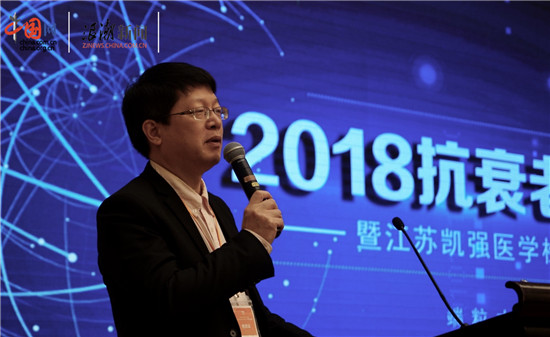
Professor Song Yangzhou’s research areas are the cell senescence and regeneration, which mainly focuses on the regulatory mechanism of cell telomere length, telomerase activity, and the stem cells pluripotency regulatory network. He has published more than 130 papers in many leading international journals - Cell, Nature and Science; more than 20 articles are with 10 points or above of SCI Impact Factor and more than 13,000 citations. One of his papers was named by The Scientist as one of the most cited papers; another paper in Cell was selected as one of the 30 most memorable publications in the 30-year history of Cell magazine.
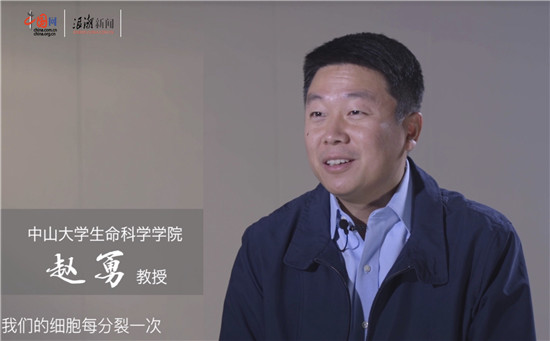
R&D consultant Professor Zhao Yongnang, came back to China via the second wave of “Repatriation of 1000 Oversea Top Young Talents Plan” by Central Organization Department of the CPC Central Committee. He is also a winner of the "Outstanding Young Scientist Award" by the National Natural Science Foundation of China. He has engaged in research of cell senescence and cancerization. He has published more than 20 papers in well-known international journals including Cell, Molecular Cell, Nature Communications, PNAS and JACS. He was awarded the Excellent Postdoctoral Award by the American Ellison Foundation and the American Federation of Aging Research (AFAR), and is an influential scientist in the field of telomere biology internationally.
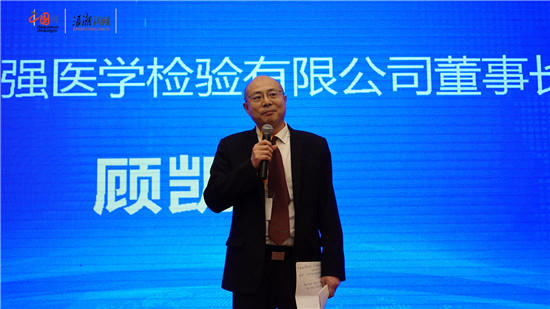
R&D Consultant Dr. Ma Wenbin graduated from the Health Science Center of University of Texas in Houston in 2005. He has engaged in research of the mechanism of aging and tumor genesis, and aging signal transduction network. He was a post-doctor at M.D. Anderson Cancer Center of University of Texas and Baylor College of Medicine. He received the Odyssey Scientific Achievement Awards jointly sponsored by the Cockrell Scientific Achievement Awards Foundation and University of Texas Anderson Cancer Center. He has published more than 30 SCI articles of his research achievements in the fields of telomere and oncology, in NAR, Cell Research and Cell Report. The team also includes many other outstanding young experts and scholars who have been engaging in anti-aging research - Dr. Ge Yuanlong (from Tsinghua University), Dr. Liu Haiying and Dr. Wu Shu. “Our scientific consultants Professor Song Yangzhou and Professor Zhao Yong have been attending the telomeres academic conference for 6 consecutive years in Cold Spring Harbor, New York, USA, which is the pinnacle of biological science research in the world. Professor Song Yangzhou is a commentator and a speaker, and Professor Zhao Yong is a speaker as well. This demonstrates the high academic standing of our team members.” Gu Kaiqiang, chairman of Jiangsu Kaiqiang Medical Diagnostics Co., Ltd., told reporters that he started the telomere detection project after they understand the significance of these research achievements could have on health protection and social impact.
A safe testing procedure with multiple benefit – I suggest that you add this title to the Chinese report. Or you could just remove it. According to Gu Kaiqiang, telomere detection is different from CT or PET/CT. There are no radioactive and radiation damages during the testing process. It is entirely harmless to the human body. This method is mainly based on the detection of telomerase activity, tumor markers and cancer risk genes, which could predict genitourinary cancer and cardiovascular and cerebrovascular disease risks in a multilevel and comprehensive way at the early stage and accomplish early detection, early prevention and early treatment. The multi-level indicators of telomere length, disease markers and genotyping of disease risk could describe the sub-health condition, the degree of aging of individuals and other information that hospitals and medical systems cannot provide at present. It could provide the most powerful scientific base for personalized health management. Meanwhile, it enables individuals to know their aging status and disease risks from the perspective of cellular level, molecular level and gene level. Huge market potential, integration of research and production brings vitality How big is the market for telomere and telomerase detection? Let’s take China as an example. According to the UN report and the Blue Book on The Development of China’s Aging Industry, China is one of the fastest aging society in the world. By 2049, 60-year-old and above elderly people will account for 31% of the total population. (责任编辑:admin) |